


The Service Research Center (CTF)
We develop new knowledge on value creation through service.


News
-
2026-10-08
CTF celebrates 40 years: Welcome to the anniversary event on 22 October
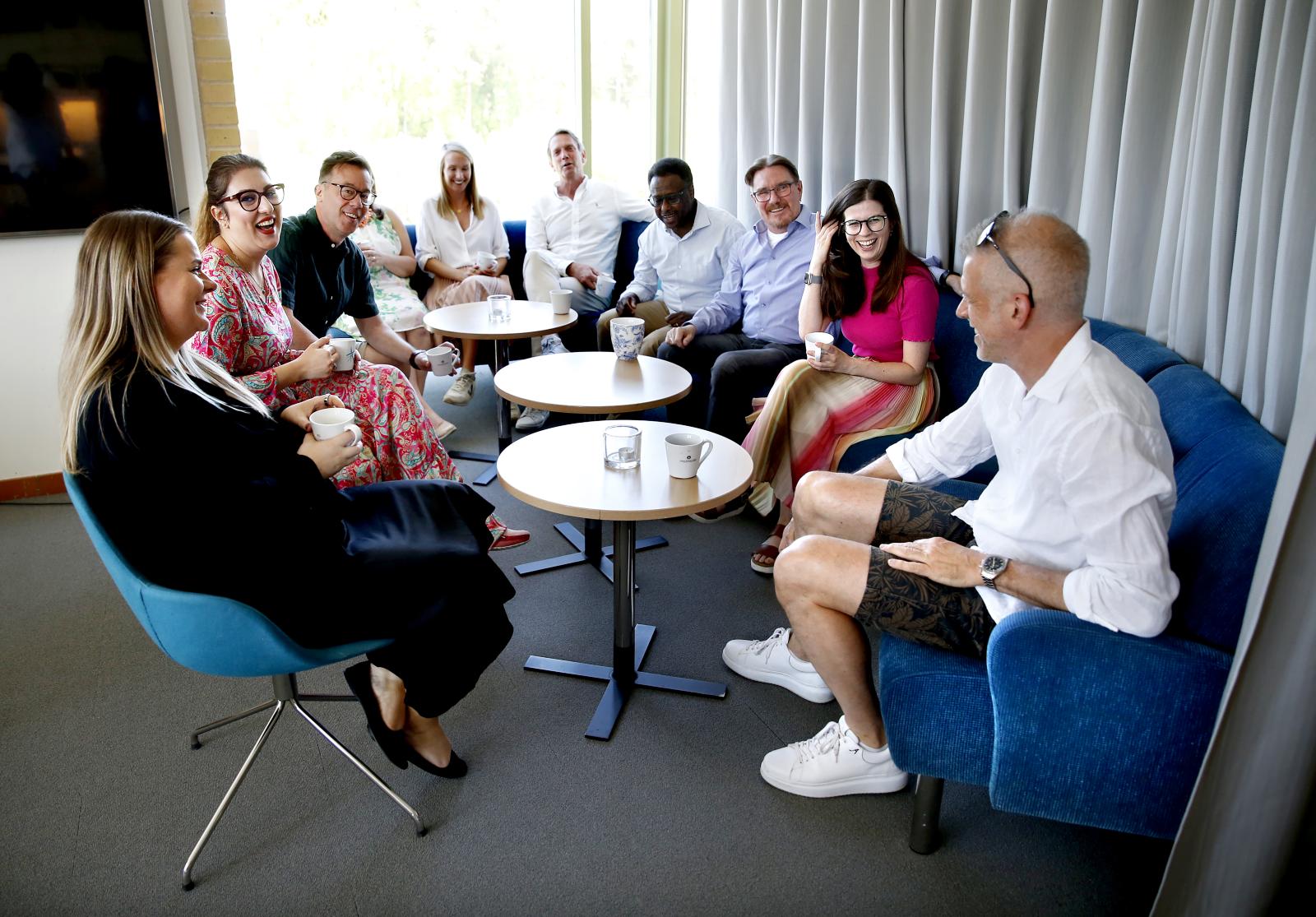
How can service research help address future challenges in AI, digitalisation, health, and the sustainability transition? On 22 October, the Service Research Center (CTF) at Karlstad University invites researchers, partners, alumni, and other interested guests to celebrate CTF's 40th anniversary and discuss the societal challenges of the future.
The anniversary event will offer reflections on four decades of research, perspectives from some of the people who have been part of the journey, and conversations about the issues shaping tomorrow's society.
40 years of research for a changing society
"When CTF was founded in 1986, service research was a relatively unexplored field. Early on, we recognised the need to understand the growing service economy and contribute new knowledge," says Bo Edvardsson, professor of Business Administration and one of CTF's founders.
-
2026-09-29
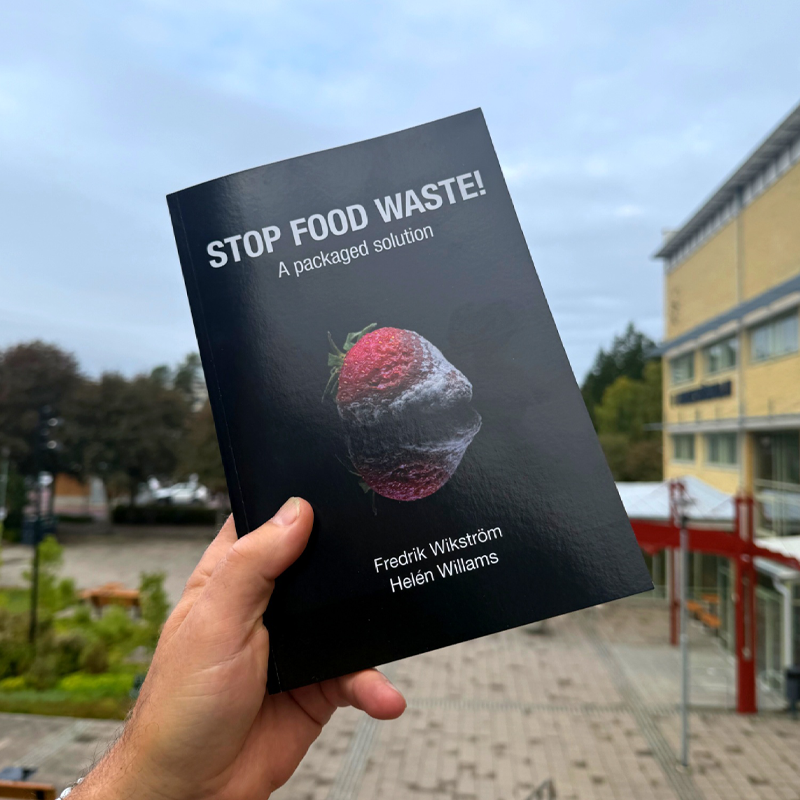
Stop Blaming the Packaging – It May Be Food’s Best Friend
– Without packaging, food waste would increase dramatically, say researchers Fredrik Wikström and Helén Williams at the Service Research Center (CTF) at Karlstad University.
29 September is International Day of Awareness of Food Loss and Waste. As global interest in conserving resources continues to grow, researchers Fredrik Wikström and Helén Williams have now seen their book Stop Food Waste translated into English. Through the book, they aim to highlight the importance of viewing the entire product system, not just the food itself.
-
2026-09-16
Only When We Understand Unsustainability Can We Create Sustainability
Many companies want to contribute to sustainable development, but their efforts often have limited impact.
– Many of the companies I studied focused, for example, on putting ‘recycled material’ on a package, says Kristin Caravelli-Svärd. Such an initiative is often very small in relation to the company’s actual impact.In her dissertation, Un/sustainability: Why Business Sustainability Efforts Are Systemically Insufficient, Kristin Caravelli-Svärd, who recently earned her PhD in Business Administration at the School of Business and conducted research at the Service Research Center (CTF), demonstrates that many companies today actively address sustainability issues while environmental and social problems continue to worsen globally.
-
2026-09-14
Resilience in a Time of Crises: From Words to Action at A Sustainable Tomorrow
In an era marked by so-called polycrises, where climate change, energy challenges, economic uncertainty, and global conflicts influence and reinforce one another, societal resilience is becoming increasingly important. During A Sustainable Tomorrow, it was emphasized that resilience is not only about technology, stockpiles, and contingency plans.
Equally important is the ability of people and organizations to collaborate, share resources, and adapt their ways of working as circumstances change. The foundation of a resilient society is built in everyday life.
-
2026-09-04
Combining Analytical Methods Provides a Richer Understanding of Reality
Many of the questions studied by marketing researchers are complex. People rarely make decisions for a single reason, and the same outcome can emerge through several different pathways. As a result, it is becoming increasingly important to combine multiple analytical methods within the same research project. A framework for integrating leading quantitative methods has been developed in collaboration with the Service Research Center (CTF).
– At CTF, we have leading expertise in three analytical methods that complement one another: Structural Equation Modeling (SEM), Qualitative Comparative Analysis (QCA), and Artificial Neural Networks (ANN)," explains Alexandre Sukhov, Associate Professor of Business Administration at Karlstad Business School and researcher at CTF.
-
2026-08-24
How value is created in our everyday choices
What is it that makes something feel valuable to us – and how does it influence our everyday choices and habits? These are questions explored by Sture Nöjd in his licentiate thesis “Understanding value in service as a psychological process – a consumer perspective.”
In his licentiate thesis, Sture Nöjd shows how the experience of value shapes our behaviour – from shopping in-store to everyday habits.
– Value is not just something that exists in a product or a service, but something we create ourselves in our thoughts, feelings and behaviours – a psychological process, says Sture Nöjd.