Welcome to Karlstad University



News
-
2026-03-19
European Championship medalist in paragolf sets sights on 2026
Karlstad native and paragolfer Gustav Stigsson Andersson began playing golf when he was 13. In 2025, he won a European Championship silver medal in paragolf. With that achievement, along with several other victories last year, he is now setting his sights on the 2026 season—both here in Sweden and abroad—while studying to become a Bachelor of Science in Engineering with a specialization in Energy and Environmental Engineering at Karlstad University, supported by the university’s Elite Sports University.
You compete in paragolf. What is your disability?
"My disability is that my left arm is amputated just below the elbow."What is it like to play golf with a disability?
"I play golf using a prosthetic that I attach to the club, which allows my swing to look just like any other “normal” swing (from a technical perspective)."What program are you studying?
"I am studying to become a Bachelor of Science in Energy and Environmental Engineering." -
2026-03-18
When winter turns lake hunting upside down
Sweden’s lakes are changing rapidly. Climate change is bringing milder winters and increased precipitation. The result? The water becomes both warmer and browner. As rain and meltwater flow through forests and land, organic material (humus) is carried into the lakes. It darkens the water and reduces light penetration.
For a long time, researchers have assumed that this would strongly affect predatory fish like pike. They hunt by sight—poorer visibility should mean poorer hunting. But new research from Karlstad University shows that reality is far more complex.
– We were actually surprised. The pike ate just as much in almost coffee-brown water as in crystal-clear water, says Viktor Nilsson, senior lecturer in biology.
Coffee-brown water is no problem
-
2026-03-18
European Project for Improved Mental Health in Higher Education Led by Karlstad University
How can universities support students in improving their well-being and managing everyday stress? This question will be addressed by a European project aimed at developing tools to enhance psychological resilience.
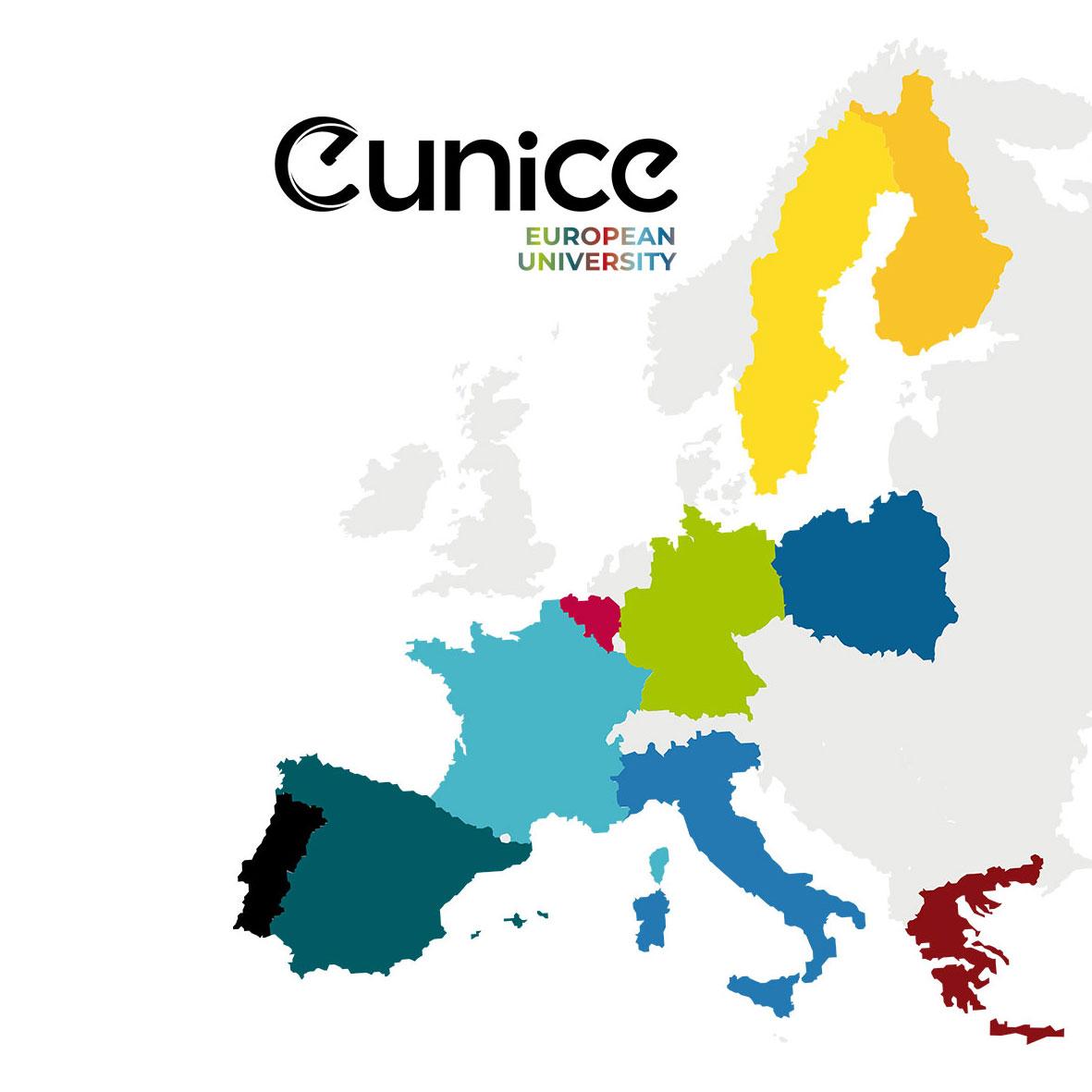
The project ELLIPSE Resilience Enhancement (ERE) is a collaboration between eight partners from seven European countries and will run from 2025 to 2027. Its primary objective is to develop new educational materials and digital tools to strengthen universities’ work in mental health promotion and suicide prevention.
-
2026-03-16
CTF celebrates 40 years – looking ahead to new challenges in today’s service society
This year, the Service Research Center (CTF) at Karlstad University celebrates its 40th anniversary. The milestone will be marked throughout the year, including during the Customer Innovation Day and at a jubilee event in October.
CTF was founded in the mid-1980s. At that time, the service sector was growing rapidly, while knowledge about how service organisations are managed, developed and create value was limited. A group of researchers at Karlstad University therefore took the initiative to build a research environment focused on services, in close collaboration with businesses and regional partners. Professor Bo Edvardsson was one of those who laid the foundations for the centre.
-
2026-03-10
Hello there Jennie Segerström, currently in Khulna, Bangladesh
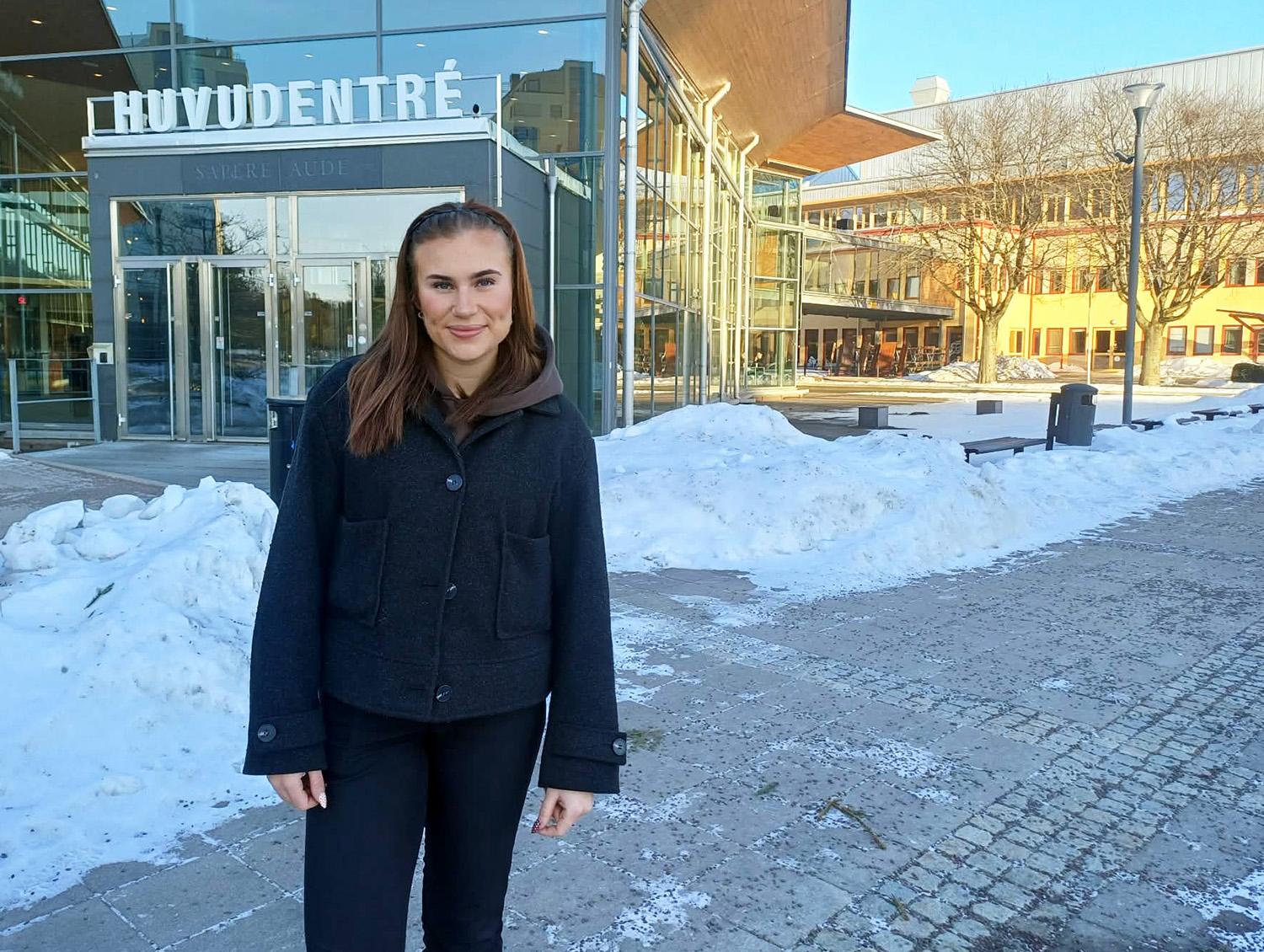
Jennie Segerström is currently pursuing the Master's Programme in Critical Social Analysis in Sociology and works simultaneously as a teaching assistant in Risk and Environmental Studies and at the Centre for Societal Risk Research (CSR). Earlier this year, she was awarded a Minor Field Studies (MFS) scholarship to examine how climate resilience is created in coastal communities in southern Bangladesh. In early February she travelled to Khulna, where she is now conducting fieldwork for her master’s thesis in sociology.
Can you tell us a little about what you are doing?
-
2026-03-10
New doctoral thesis shows how literature can reshape our understanding of the relationship between humans and our surroundings
How are humans connected to the technology, nature and materials around us? In a new doctoral thesis, Jonas M. Hoeck shows how author Amalie Smith’s literature opens up new ways of understanding subjectivity, responsibility, and our relationship to the world around us.
“My thesis examines the work of the Danish author Amalie Smith, with a particular focus on how her writing explores the relationship between human beings, the body, technology and the environment,” says Jonas M. Hoeck, PhD of Literary Studies. “I analyse how literary forms such as montage, hybrid genres and documentary elements are used to investigate what it means to be a subject in a time marked by technological and ecological change.”