
EXACT, Excellence in Advancing for a Circular Transition
Industrial Research School in forest-based bioeconomy and digitization
News
-
2026-10-07
Stronger Paper with Fibrillated Cellulose
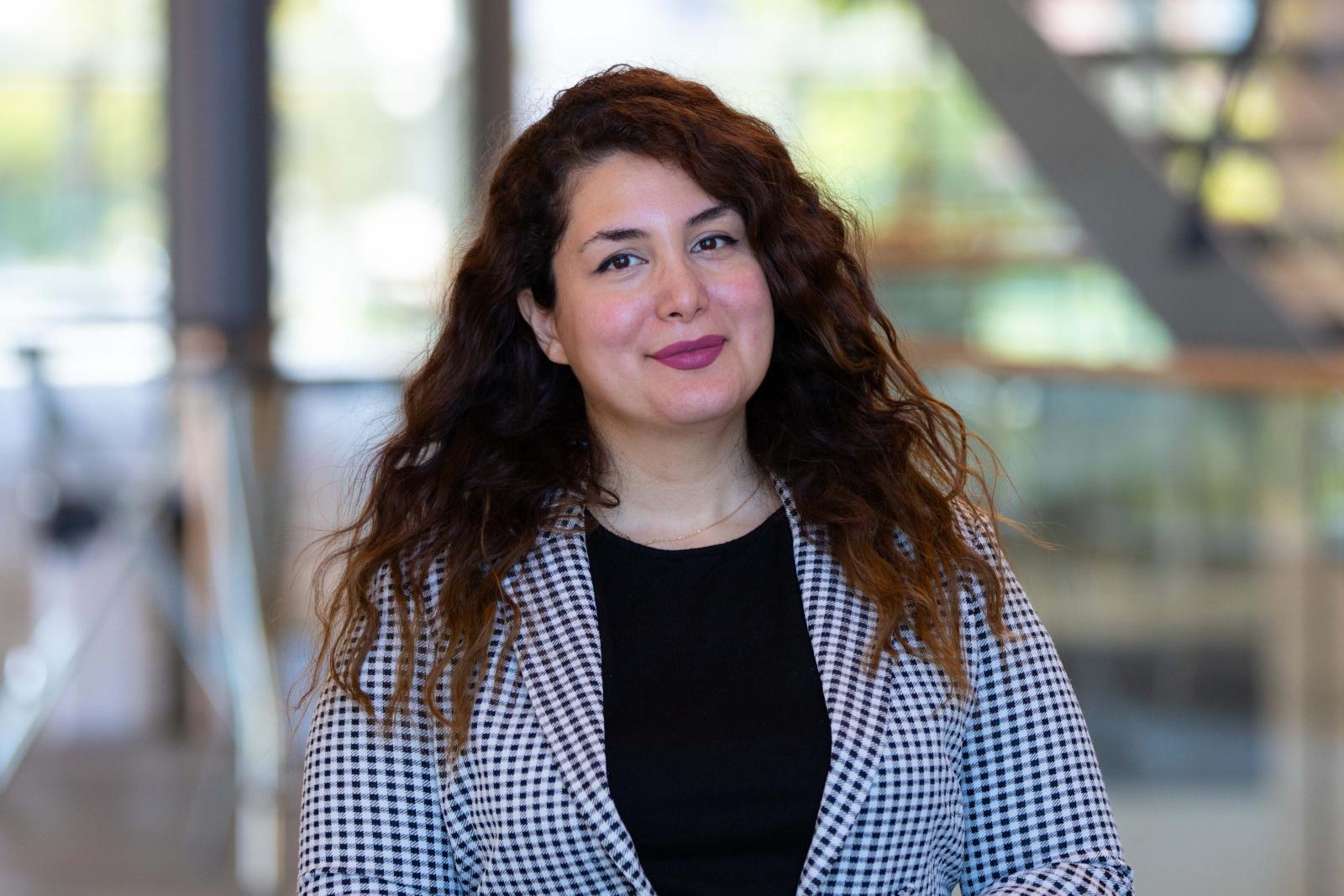
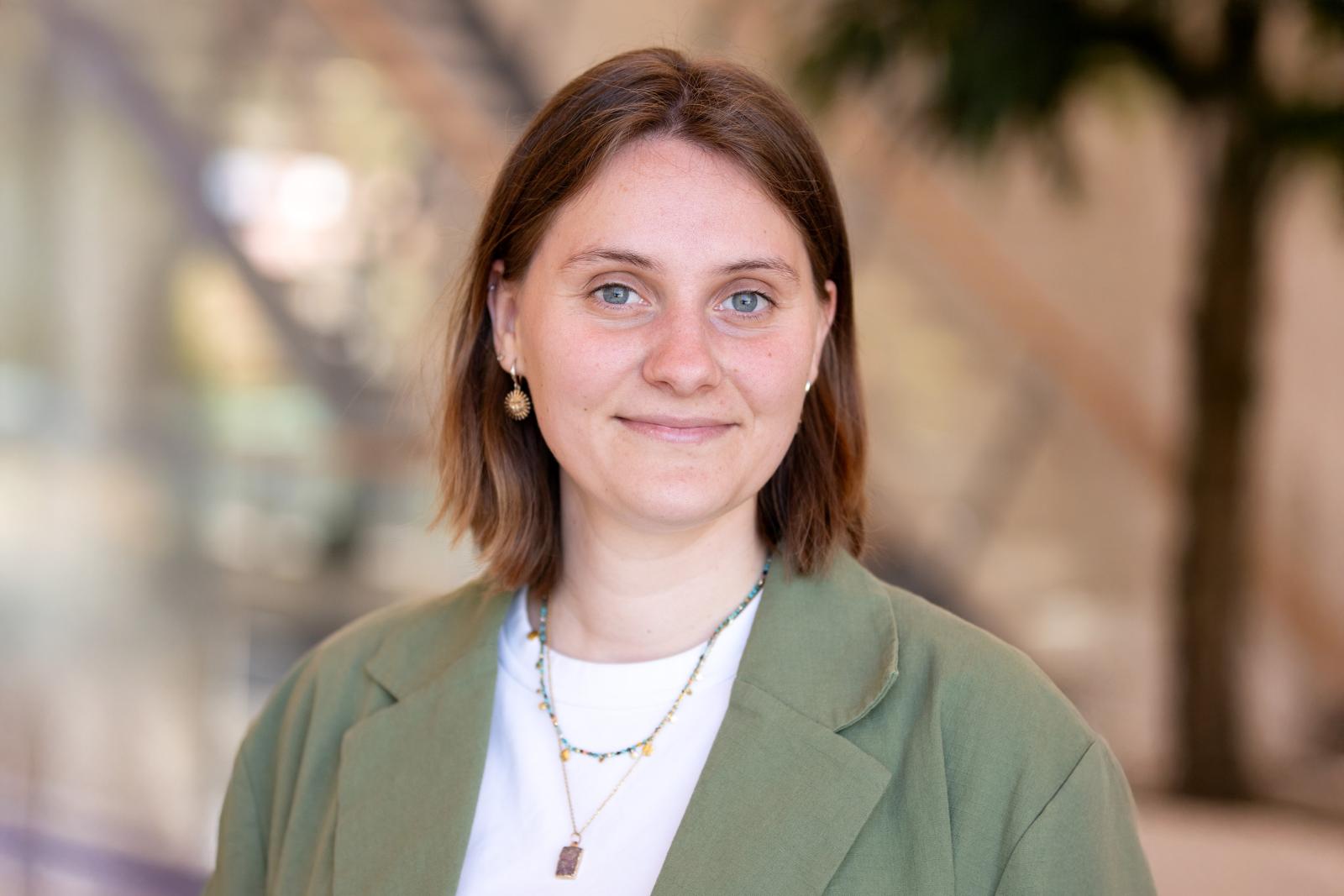
How can forest-based materials be made stronger, more functional and at the same time contribute to a more sustainable industry? This is a question being explored by doctoral researcher Morassa Raouf.
Cellulose nanofibrils (CNF) and microfibrillated cellulose (MFC) are renewable materials with a large surface area and an excellent ability to form dense networks. They have the potential to be used in applications ranging from paper reinforcement and packaging coatings to future membrane technologies. One challenge, however, is that their production requires energy-intensive fibrillation and that the materials are difficult to dewater once they have been finely dispersed.
-
2026-10-01
EXACT Research School Autumn Meeting
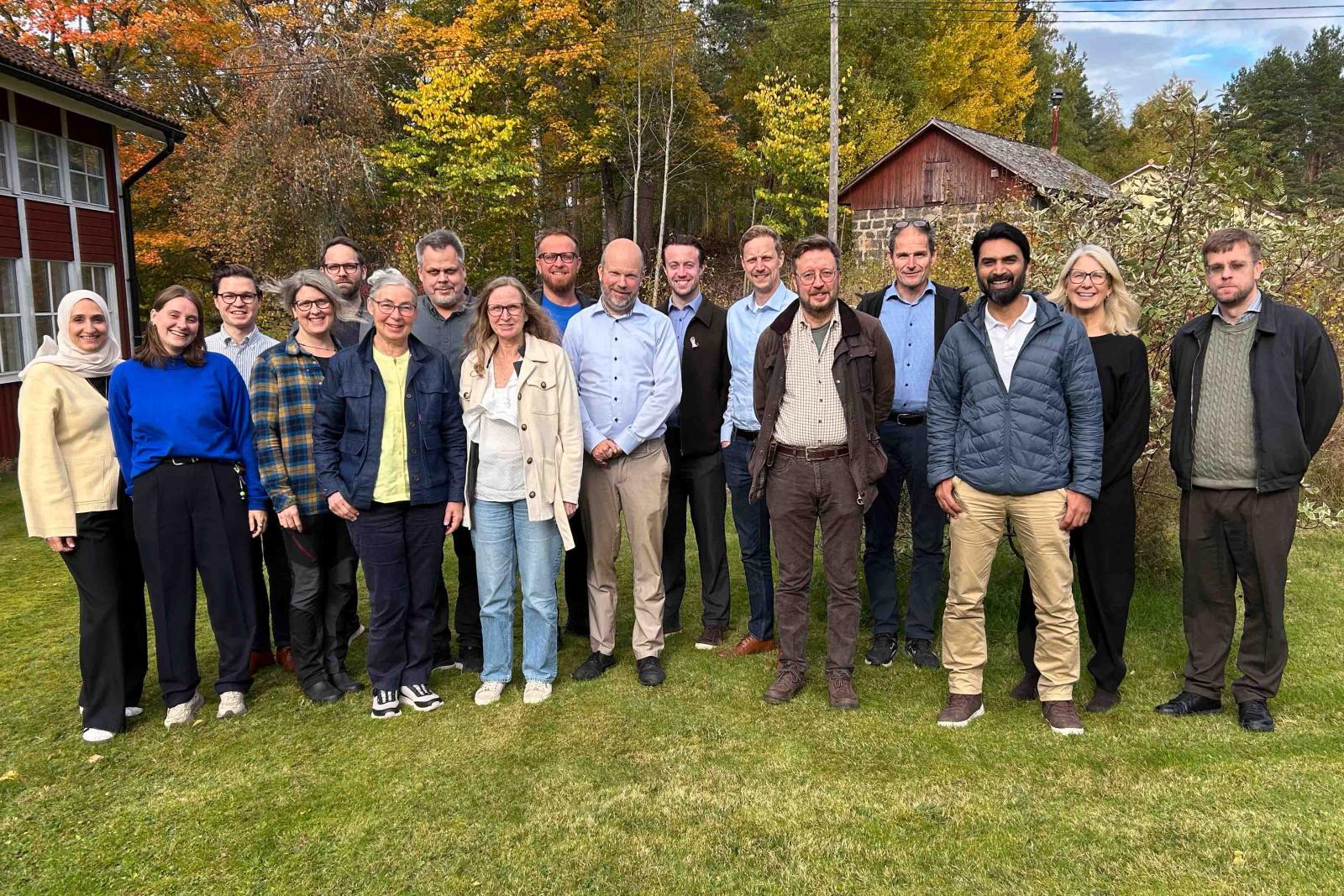
Cleaner process air, efficient energy use, and clothing made from recycled textile waste were among the topics in focus when the EXACT Industrial Research School brought together PhD candidates and industry partners for its autumn meeting at Gammelkroppa Forest School on 30 September.
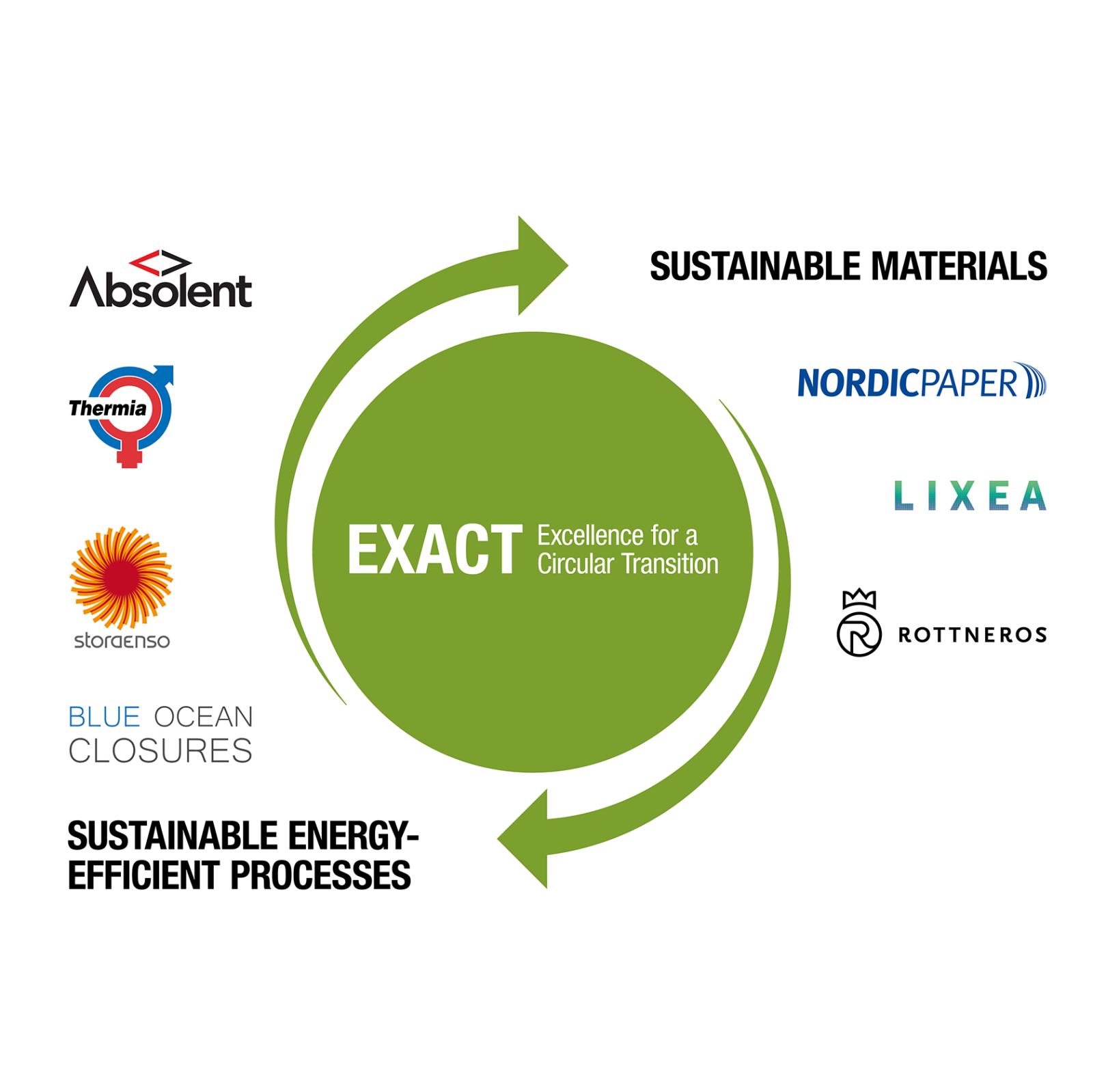
During the autumn meeting, doctoral students presented their ongoing research projects, while industry representatives provided insights into current challenges and development needs within their sectors. Participating companies included Absolent, Thermia, Blue Ocean Closures, Lixea, Nordic Paper, Rottneros and Circulose.
A common theme throughout the day was the transition towards a more sustainable and resource-efficient industry.
-
2026-09-21
From Old Clothes to New Fibres
Every year, millions of tonnes of cotton are produced worldwide, while vast quantities of textiles are discarded or incinerated. Although cotton consists of almost pure cellulose, only a small proportion of the material is recycled into new textiles.
In her mid-term study, Elise Meurs, an industrially associated PhD candidate in the EXACT Research School, investigates how cellulose pulp derived from recycled cotton behaves during the initial stages of the viscose process, the industrial method used to produce regenerated cellulose fibres. The aim is to enable the large-scale use of textile waste and thereby reduce the need for virgin raw materials from forests or cotton cultivation.
-
2026-09-08
Collaboration in Focus as the Knowledge Foundation Visits Karlstad University
On 7 September, representatives from the Knowledge Foundation (KK-stiftelsen) visited Karlstad University to gain deeper insight into how the university collaborates with industry in research and education. During the visit, several projects were presented in which the university and companies work together to develop new knowledge and strengthen Sweden’s competitiveness.
Throughout the day, the representatives from the Knowledge Foundation met researchers and academic staff from the Pro2Be research environment and the Department of Computer Science. The aim was to gain a better understanding of how the university works with research, education and skills development in partnership with companies and organisations.
-
2026-08-31
Smart heat pumps could reduce household energy use
What if your heat pump knew when you were about to take a shower or use large amounts of hot water? It could then produce hot water at the right time instead of heating unnecessarily. This idea lies at the heart of the research conducted by industrial PhD student Manal Rahal at Thermia, where machine learning is being used to make heat pumps smarter and more energy efficient.
Today, many heat pumps are controlled using fixed rules and pre-set threshold values. The problem is that they do not take into account the fact that household hot water consumption varies over time. A family that showers early in the morning has different needs from a household where most people shower late in the evening. When a heat pump fails to understand these patterns, it can result either in unnecessary energy consumption or an insufficient supply of hot water when it is needed most.
-
2026-06-17
Bioeconomy and innovation
On 16–17 June, researchers, companies and clusters gathered for the BioEco Valley Summit 2026. This year’s theme, lignin, fibres and optimised circular processes, highlighted how the bioeconomy can contribute to the green transition.
The conference was opened by County Governor George Andrén, who emphasised the strong position of Värmland within the forest-based bioeconomy and underlined the importance of collaboration between academia, industry and the public sector in addressing challenges such as climate change.