Pain management in people with dementia is complex. Pain can manifest itself in many different ways, and changes in behaviour may have several different causes. New research indicate that the solution is not a single assessment tool, but rather a more structured and person-centred care process that helps healthcare staff identify, assess and follow up on pain.
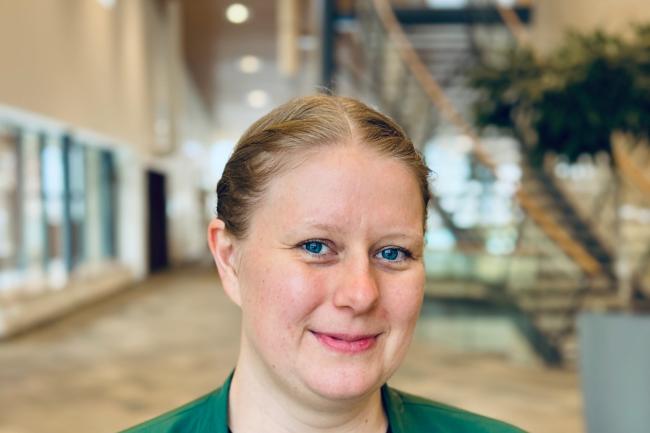
“Small deviations from a person’s usual behaviour can be important signs of pain. But recognising them requires both knowledge and staff who know the person well,” says Caroline Kreppen Overen, PhD student in nursing and one of the researchers behind the study.
Pain is very common among people with dementia living in nursing homes. At the same time, pain management is one of the greatest challenges in dementia care. As language ability and abstract thinking decline, it becomes more difficult for individuals to communicate that they are in pain. Instead, pain may be expressed through behavioural changes. However, such changes can also have many other causes, making assessments complex and placing high demands on healthcare professionals’ knowledge and working methods.
The researchers wanted to investigate how healthcare staff currently work with pain management and what changes could improve care. The results show that staff often experience uncertainty about how pain should be identified, documented and followed up. There is also a lack of clear routines outlining what should happen from the first suspicion of pain through treatment and evaluation.
However, the study also points to a possible way forward.
When words are not enough, the body can show the way
Rather than focusing on everything that people with dementia have lost, the researchers highlight the resources that remain. Body language, habits, relationships and individuals’ own descriptions of their situation can provide valuable information about their wellbeing.
“It is about using what still works for the person and not focusing solely on what has been lost. Small deviations from a person’s usual behaviour can be important signs of pain. But recognising them requires both knowledge and staff who know the person well,” says Caroline Kreppen Overen.
One person may become unusually restless and start wandering more than usual. Another may become unusually quiet or withdraw socially. Such behavioural changes may indicate pain, but they may also be caused by other underlying conditions. Therefore, healthcare professionals need to combine information from multiple sources when assessing pain.
Family members can often provide important knowledge about how their relative typically expresses discomfort or pain. Previous medical history can also help staff identify risks and possible pain-related conditions.
Two areas emerged as particularly important in the research:
- the need for more structured work processes
- increased staff competence and knowledge.
The researchers have therefore developed a person-centred pain management model. The model is based on a systematic process that supports healthcare professionals from the first suspicion of pain through assessment, intervention and evaluation. The aim is to create a more consistent approach that combines different assessment strategies while making use of the person’s own resources, habits and ways of expressing themselves.
When the model was presented to managers and specialist nurses, it was described as both relevant and feasible.
“They saw the model as a concrete tool for making assessments more consistent, improving documentation and strengthening person-centred care,” says Caroline Kreppen Overen.
In the long term, the researchers hope that the findings will contribute to better palliative care for people with dementia. A more structured and person-centred approach to pain management can reduce suffering, improve quality of life and create greater security for residents, family members and staff alike.
Looking five years ahead: a clear vision
If the researcher looks five years into the future, the vision is clear.
All staff working in nursing homes should have the knowledge and tools needed to work systematically with pain management for people with dementia. Observations should be documented and followed up in a structured manner, and pain relief should be based on both medical and person-centred interventions.
The goal is to create safer and more equitable care in which pain-related problems in people with dementia are identified and treated at an early stage.