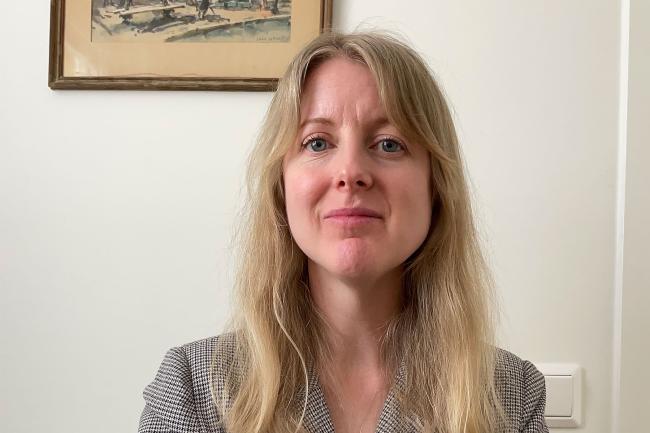
Hashtags, algorithms and platform features influence how feminism is expressed and circulated on social media. This is shown in Lisa Lindqvist’s thesis, in which she has studied movements such as #MeToo, #Kvinnostrejk and #WomenInMaleFields on Twitter/X, Instagram and TikTok.
– I have examined how the features and infrastructures of social media platforms shape feminist activism and what new forms of resistance emerge in these spaces, says Lisa Lindqvist, who has recently been awarded a doctoral degree in sociology.
Creative ways to reach new audiences
The thesis shows how feminist content creators use platform features as political resources. By combining hashtags, audio and visual effects, creators circulate feminist messages, anssemble personal experiences, build communities and reach new audiences. In this way, new forms of influence and everyday resistance emerge, while users navigate the limitations imposed by commercial platforms.
One example is the strategic use of hashtags:
– Content creators “borrow” popular hashtags to reach a broader audience. In posts about #Kvinnostrejk (Women’s Strike) on Instagram, tags such as #Midsummer have been used to introduce feminist messages into feeds otherwise dominated by summer imagery, expanding reach to new audiences, says Lisa Lindqvist.
Hashtags are also used to collect stories, for example about men’s violence against women, demonstrating the scale of the problem.
Strategies in a challenging debate culture
– Although social media are often described as polarised environments characterised by hate and threats, many users have a strong engagement in political discussions. To manage this situation, various strategies are used, such as maintaining a more fact-based tone, refraining from responding to offensive comments, or hiding them. Some users even choose to leave certain platforms altogether due to the online debate culture, which is of course problematic and calls for platforms to take more action against online misogyny and hate, says Lisa Lindqvist.
She also highlights how users find new ways to engage in discussions without being as exposed.
– On TikTok, the hashtag #WomenInMaleFields is used in a humorous way to play with gender roles and share experiences of sexism, while at the same time avoiding exposure to hate and threats.
Social media host new forms of resistance
The thesis demonstrates how feminist engagement and resistance are evolving in today’s digital environments, where users and technologies interact and the political conversation is shaped online.
– Public discourse on social media is more complex than it often appears. My interviews and studies show both a strong engagement in societal issues and how algorithms, hate and threats influence who gets to speak – and at what cost, says Lisa Lindqvist, and continues:
– It is in the interaction between people and platform features such as hashtags and algorithms that new forms of resistance emerge – a “soft” resistance that adapts to a digital reality characterised by market forces and commercialised technological systems.
• Digitally Entangled Feminism: Hashtagging Resistance on Swedish Social Media (e-publication in DiVA)